


Foraging for wild garlic without harming woodland colonies
Wild garlic is plentiful in spring, but careless picking can damage delicate colonies. Discover ethical harvesting methods and simple recipes for your foraged leaves.

Why Wild Garlic Rewards a Careful Hand
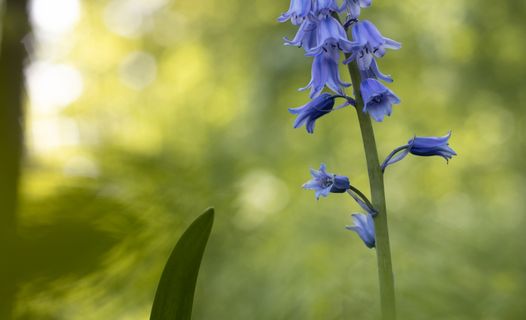
Come late March, the smell arrives before the sight of it. Walk into a damp, shaded wood and the air turns unmistakably savoury, that green, allium sharpness that tells you a carpet of ramsons — wild garlic — is close by. From March until the bluebells take over in May, it is one of the most generous crops our woodlands offer, and one of the easiest to pick badly.
Wild garlic (Allium ursinum) is a slow coloniser. It spreads by seed and by bulb offsets underground, and a decent-sized patch may have taken decades to build. That is why a careless harvest — yanking bulbs, stripping whole plants, trampling the leaf litter and soil around them — can set a colony back years. Pick thoughtfully, though, and you can return to the same patch every spring for the rest of your life.
Identifying Wild Garlic with Confidence
Before anything goes in the basket, be certain. Wild garlic has soft, lance-shaped leaves, usually 10–25cm long, tapering to a point with a single midrib running its full length. Crush one between your fingers: it should smell cleanly and strongly of garlic. That smell is your best and simplest test.
Two deadly lookalikes grow in exactly the same places, and both can appear before wild garlic is fully out:
- Lily of the valley — two or three leaves rising from one stem, with a faint, sweet, not garlicky smell.
- Autumn crocus and young lords-and-ladies — strappy or arrow-shaped leaves, no garlic scent, and seriously toxic.
If a leaf does not smell of garlic when you tear it, leave it alone. Never mix leaves from a doubtful plant into a basket of confirmed ones, and never pick from a colony where the plants look thin, yellowed or sparse.
The Rules of a Respectful Pick
The golden rule is simple: take a leaf, never the plant. A few practical habits make all the difference:
- Snip one leaf from each plant with scissors or a small knife — the plant will grow more without stress.
- Never pull, dig or lift bulbs. Digging up any wild plant without the landowner's permission is an offence.
- Leave the flower heads. They feed early bees and hoverflies, and they set the seed that extends the colony.
- Take only what you will genuinely use — a carrier bag of leaves goes a very long way.
- Stay on paths and stepping stones; compacted, trampled soil is the biggest long-term threat to woodland ground flora.
- Wash your harvest thoroughly at home. Woodland leaves can carry fox or dog faeces, so rinse well and cook anything you are unsure about.
On most land in England, Wales and Scotland you may pick leaves, fruit and fungi for personal use, but the right to roam does not extend to taking plants, and commercial picking requires permission. If in doubt, ask the landowner or the local wildlife trust.
Where to Pick — and Where to Walk Away
Choose your patch with the same care you would choose a mushroom spot. Big, well-established colonies in broadleaved woodland on damp, neutral soil are the best candidates. Small, isolated patches, or colonies clinging to the edge of a path, are better left completely alone.
Avoid picking in Sites of Special Scientific Interest, nature reserves, churchyards with protection orders, and anywhere the ground is grazed or used heavily by dogs. Never pick from roadside verges or popular footpaths — the leaves are dusted with exhaust particulates and worse. And rotate your patches year to year: give any colony a rest of two or three seasons between serious harvests.
Simple Ways to Use Your Leaves
Young leaves picked before the flowers open are the sweetest. Use them raw in salads and sandwiches, or cook them gently — long cooking dulls both colour and flavour.
Wild garlic pesto. Blitz 100g washed leaves with 50g toasted pine nuts or walnuts, 50g grated hard cheese, a squeeze of lemon and 150ml rapeseed oil. Season, then spoon into jars. It keeps for a week in the fridge and freezes beautifully in ice-cube trays.
Wild garlic butter. Chop 50g leaves very finely and beat into 250g softened butter with a little salt and lemon zest. Roll in baking paper, chill, and slice over new potatoes or grilled fish.
Wild garlic and potato soup. Soften an onion and a diced potato in butter, add 700ml stock and simmer until tender. Take the pan off the heat, stir in 100g shredded leaves, then blitz immediately. Adding the leaves off the heat keeps the soup a vivid green rather than a murky olive.
For longer storage, blanch the leaves for ten seconds, cool in iced water, squeeze dry and freeze in small bags — or pack them into oil in a jar and keep it in the fridge.
Making It a Habit That Lasts
Foraging well is really a form of woodland management. Every spring you spend in the same wood teaches you something: where the soil stays damp, which patches flower first, how last year's thinning affected the colony. Take a note of what you see, take less than you think you need, and pick with clean hands and sharp scissors. Do that, and the garlic smell that greets you each March will still be there in twenty years' time — and so will the wood that makes it.
Post a comment